
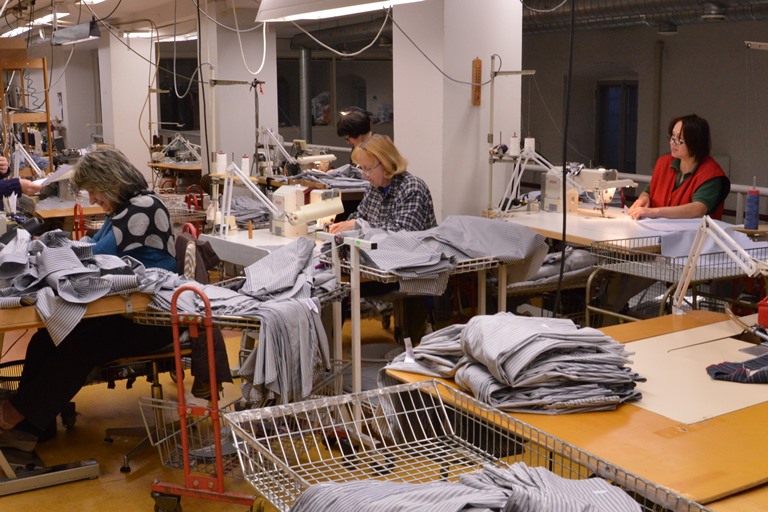
An experiment on myself, or how I went to work in a clothing factory.
Three days back at the sewing factory where I worked decades ago. The alarm clock, the traffic jam, the industrial machine, and how it compares with life as a small maker.
Blog
Three days back at the sewing factory where I worked decades ago. The alarm clock, the traffic jam, the industrial machine, and how it compares with life as a small maker.
The second birthday of my dear little company, at the busiest and most pleasant time of the year, with a sales record to go with it.
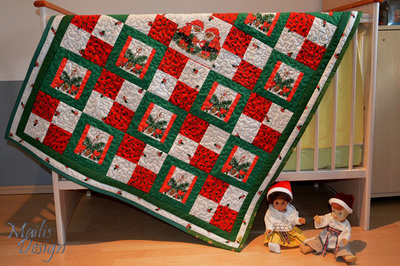
A Christmas baby's quilt, Christmas stockings, miniature elf bags, wash bags for women and men and aprons for grown ups, with prices.
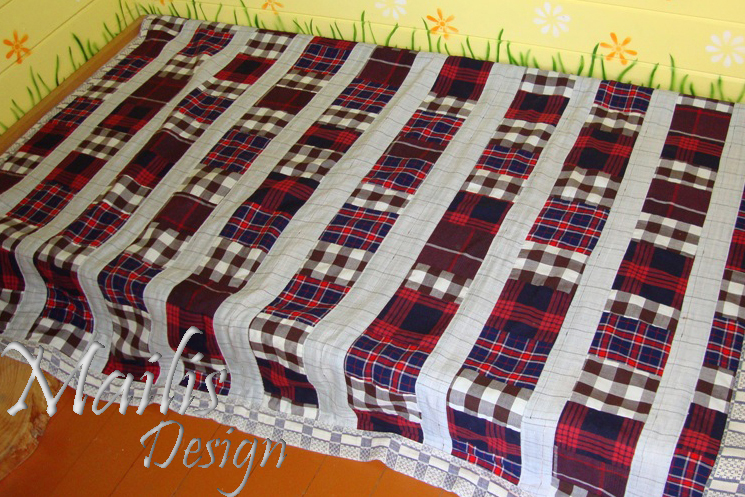
I work on reuse and zero waste principles: most of my patchwork comes from production offcuts and reclaimed fabrics. What that really costs in time, and why it is a way of life rather than a saving.
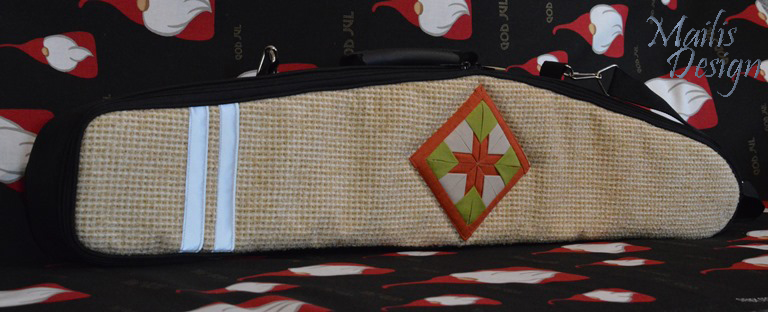
A kannel teacher pointed out that the shoulder strap loops sit in the wrong place. So the new bag has them at the top, on both sides of the handle.
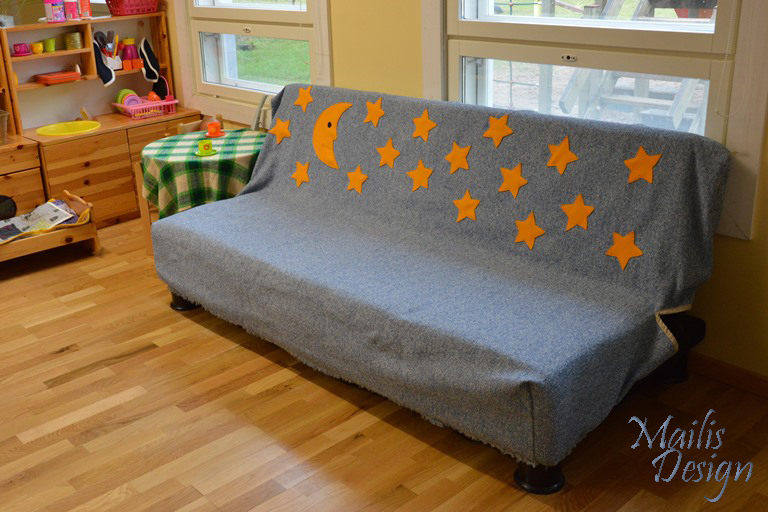
Nurseries and schools have quietly become one of my main groups of clients. This time a sofa cover with the moon and the stars, to go with the sun on the wall hanging.
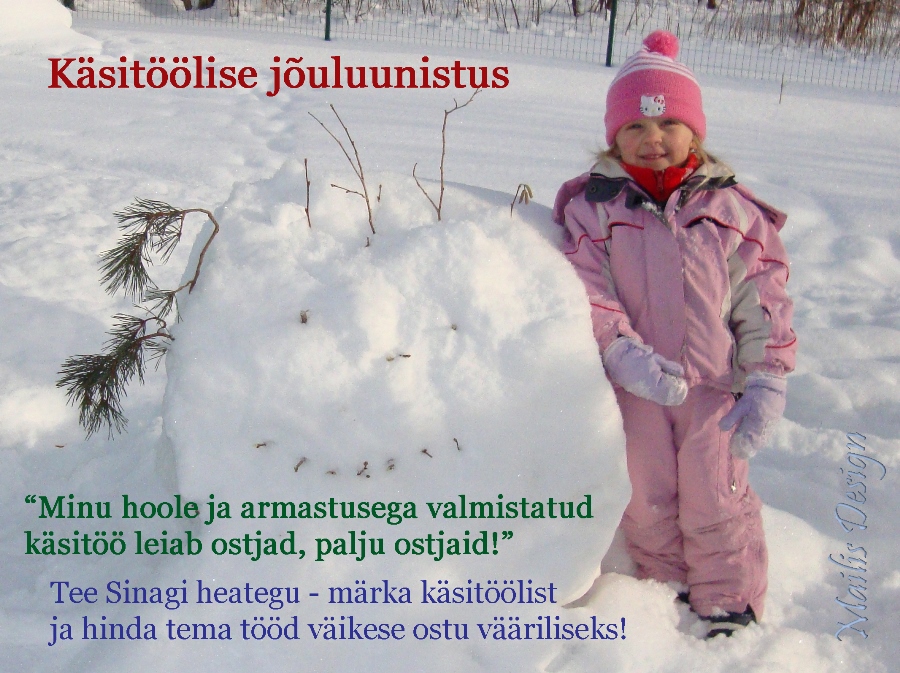
A crafter's Christmas wish, in one picture.
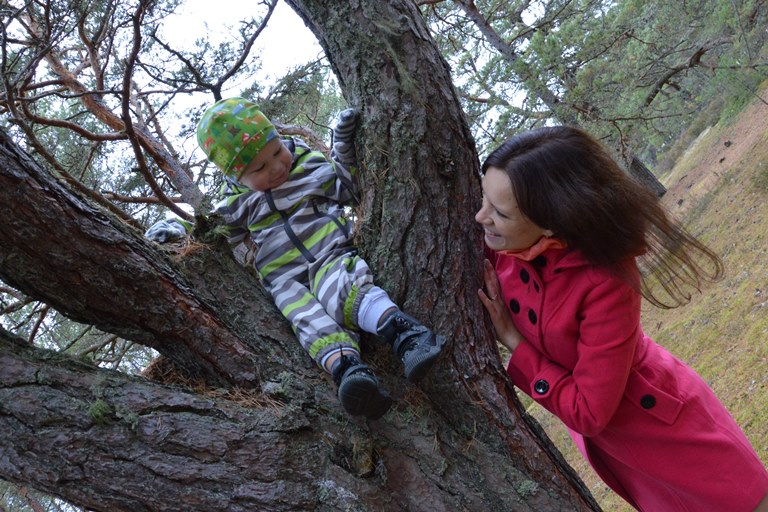
A photography course, a new camera and a shoot with the children in aprons, pots and pans: give children the props and let them get on with it.
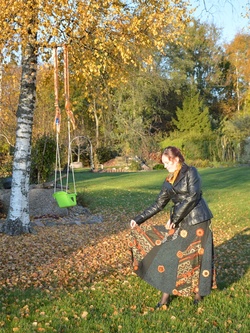
If patchwork is a way of life, you MUST find time to sew something for yourself too. A long, warm woollen skirt of eight panels with crocheted flowers.
Autumn burst in through the door and landed straight on a child's quilt, brush in one hand and paint pots in the other. Cotton on top, wool wadding inside, flannel backing.
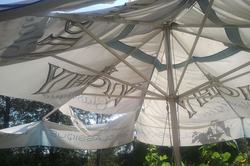
Twenty metres of supposedly weatherproof fabric for a 4x4 m sun canopy, sewn in a room smaller than any single piece of it. A month later it had torn to ribbons.
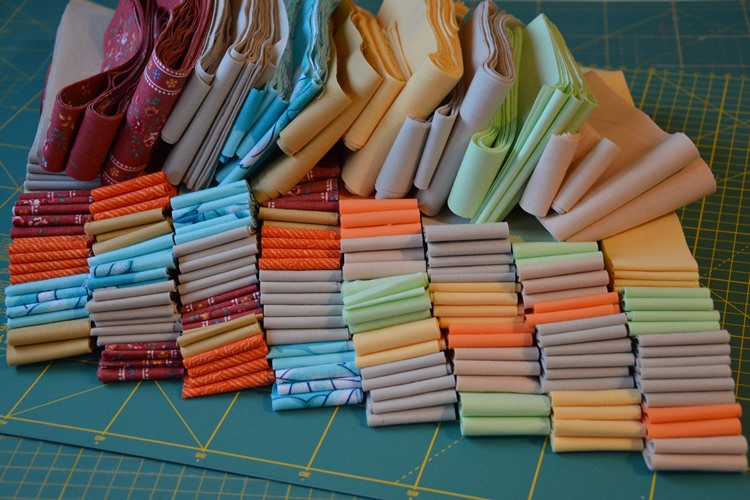
The sewing machine pedal gave up, so if you cannot sew there is nothing for it but to cut fabric. In the picture: 560 m of strips.
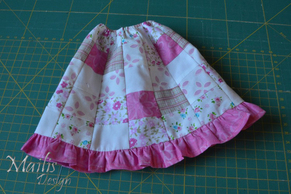
A quick technique skirt from leftover strips: five strips sewn together, cut into trapeziums, and the skirt starts to take shape by itself.
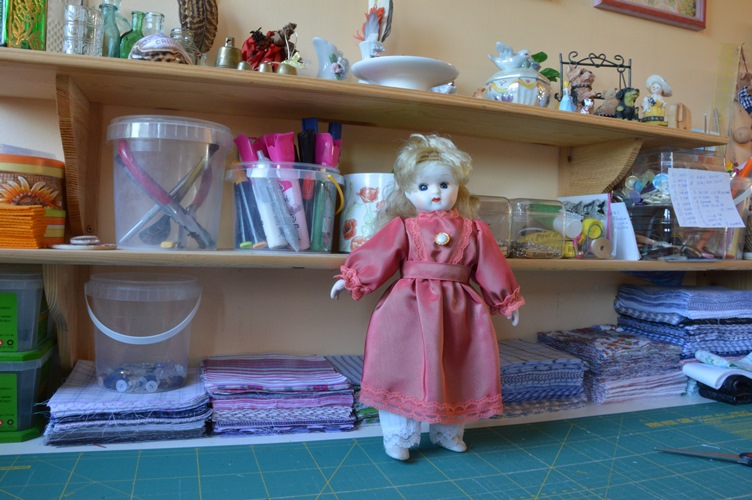
A week on, Emma has her first dress, her hair is washed and plaited, and her eyes are a much lighter blue than they seemed on the first days.
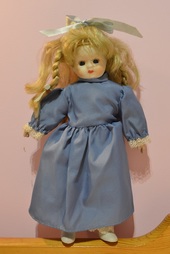
A very old doll from a charity shop, bought for 1.50 euros, who gave me the strong feeling that she is not a WHAT but a WHO. And what people made of that.
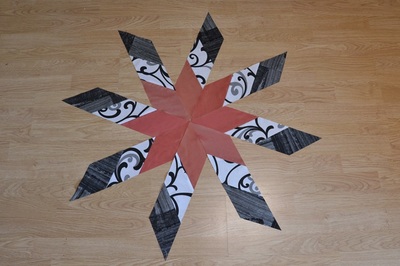
A quilt of coloured diamonds in black, white and dark pink, waiting since spring for the right inspiration to arrive.
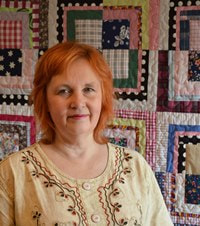
Is 50+ a little or a lot? A flat tyre in a car park, nobody stopping to help, and how relative the words "young" and "old" turn out to be.
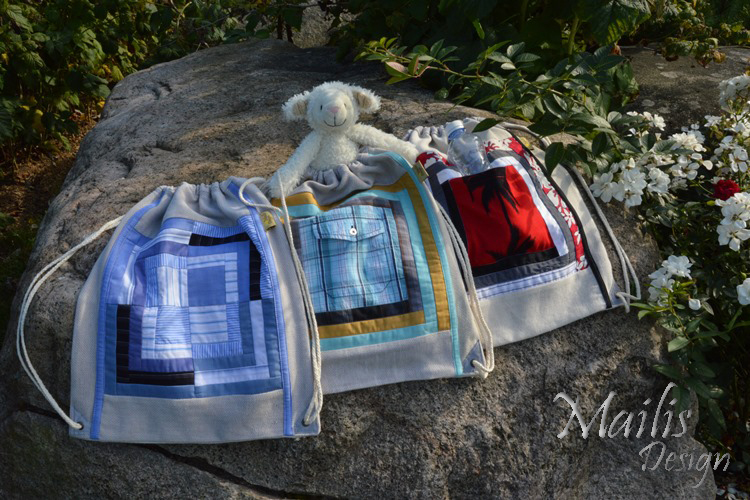
The squares left over from the dress shirt quilts became drawstring backpacks, a leather trimmed rucksack and pencil cases for the children.
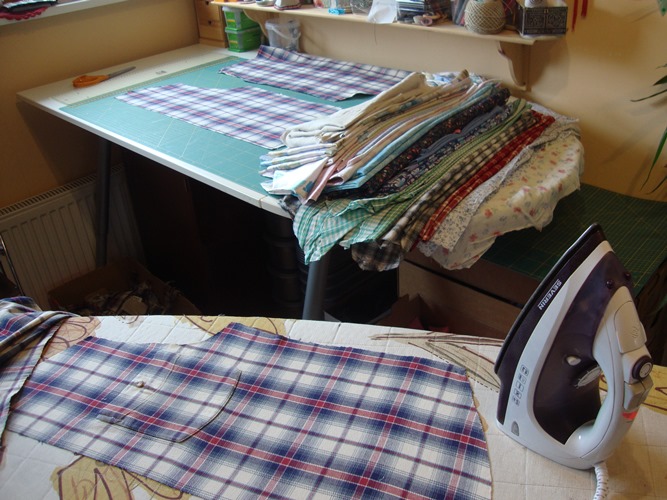
Knitted jumpers, flannel, cotton, fine bemberg and bright artificial silk in one quilt. Every square backed onto white cotton so nothing stretches or frays.
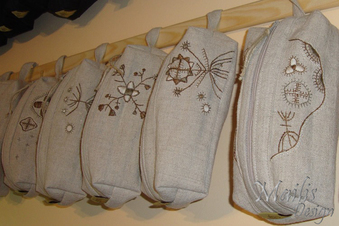
A new collection of little bags, from heavy linen with archaic embroidery to denim and flannel for boys. Come to the Laulasmaa fair on 4 July.
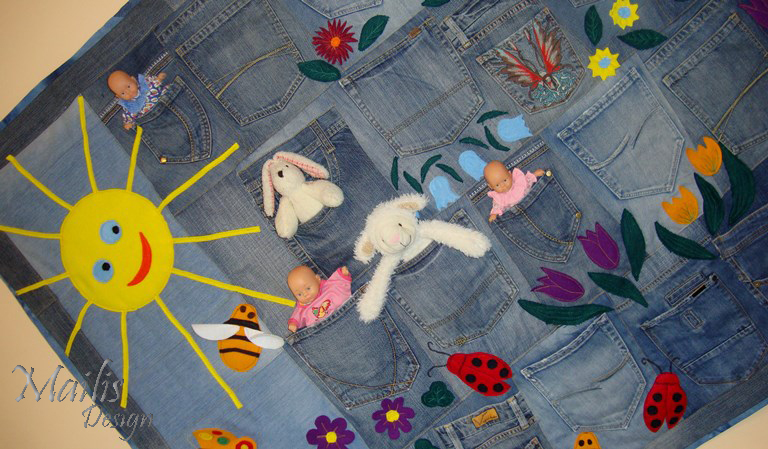
A wall hanging for a nursery group's 20+1 teddy bears, part of a bullying free upbringing programme. And one work that nearly destroyed my machine.
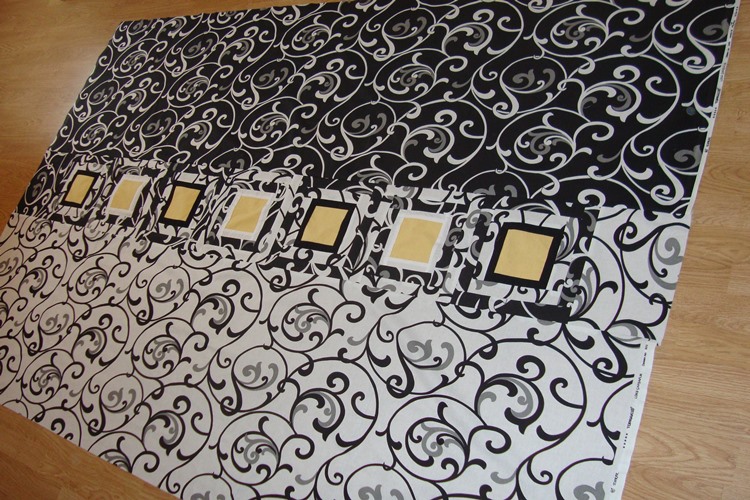
A new quilt on the way, and dense quilting called the winding road. By midday my body has seized into the "smartphone" position.
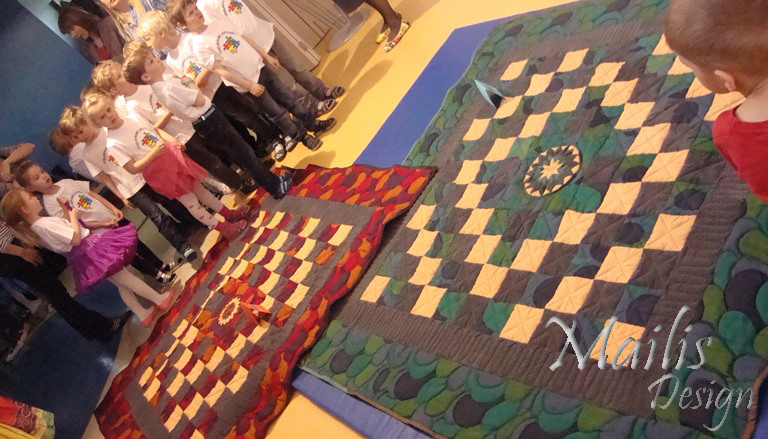
Dance groups from nine nurseries, 300 children in one hall, and my new picnic blankets waiting for someone to settle down on them.

An invitation to Audentes's 20th anniversary, and memories of the years when I set up and ran the Audentes Children's School.
The days race by. A garden turning from ornamental to productive, herbs for tea drying, month old chicks and picnic blankets under the machine.
A documentary about industrial materials, from asbestos to radon paint and plastic, and where GMO fits into the same pattern. Plus where to get GMO free feed.
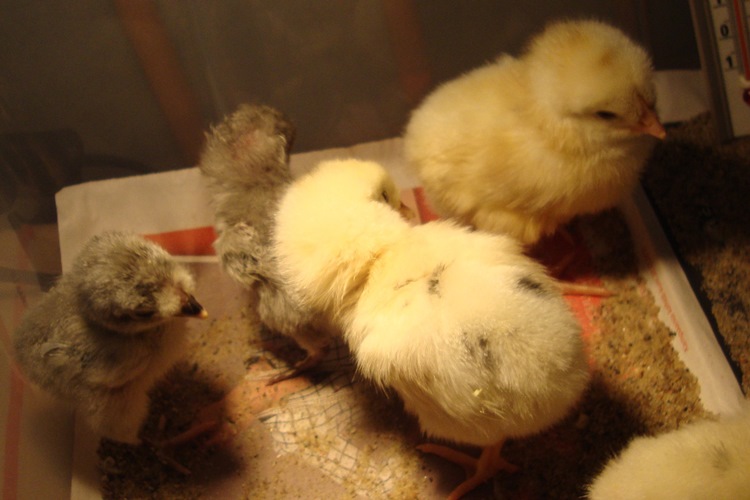
Have you ever seen speckled chicks? Yellow with tiny black or grey markings. And best of all, in the autumn they will start laying pale blue eggs.

A hundred entries in KangaDzungel's April prize game on Facebook. My four quilts gathered almost 300 likes and won a consolation prize.
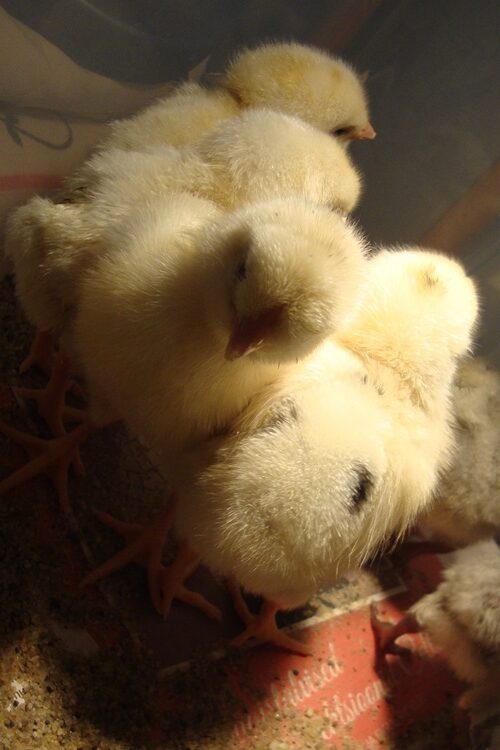
People often ring to ask about raising chicks, so here is what I do with mine: how I move them from the incubator, what temperature they need and what they eat.
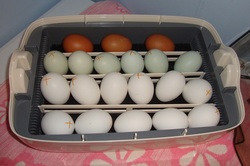
Chicks for dark brown, green and pale blue eggs, all fertile at 100%. And why, after years of trying, I buy purebred chicks and only incubate crosses myself.
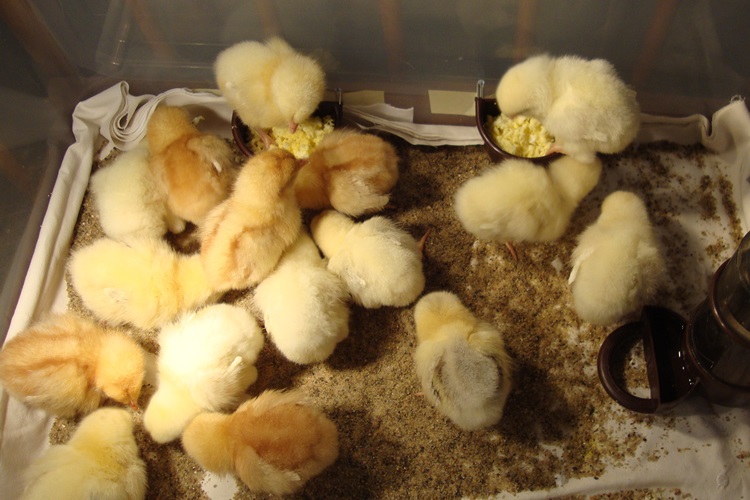
The first hatchery chicks have arrived, my own Araucanas have not laid since Christmas, and here are this year's hatching egg plans by colour.
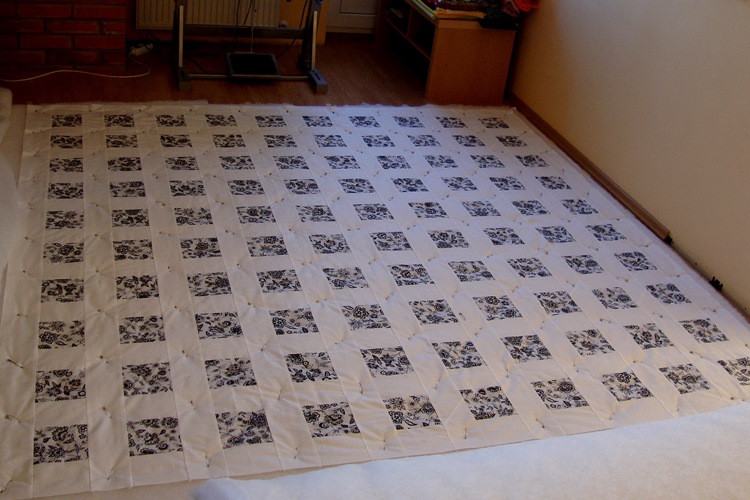
The largest quilt I have made, 240x240 cm, quilted all over by free motion. My shoulders survived; my neck felt as if someone had put a stick in it.
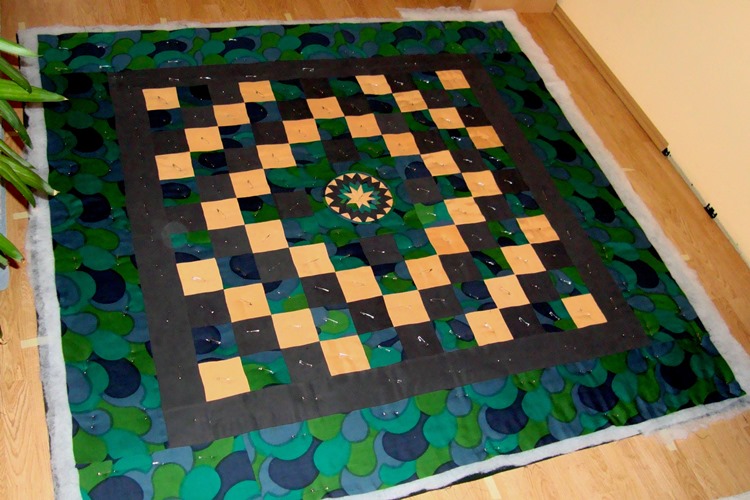
Wool rather than nylon, so it can be used indoors for music lessons and story time as well. Two hundred safety pins in and waiting to be quilted.
A snowflake comes quietly onto the window and then starts to lie there softly. M.E.Kess, aged 3.
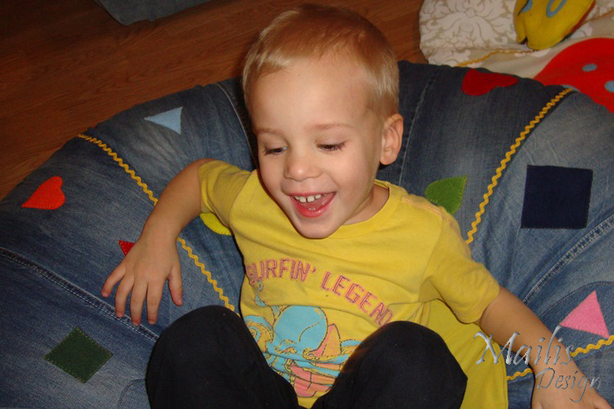
The shape and mood beanbags are finished: eight chairs, 50 m of fabric, 4000 m of thread and 1600 litres of granules. And a photo session with my best advertising boys.
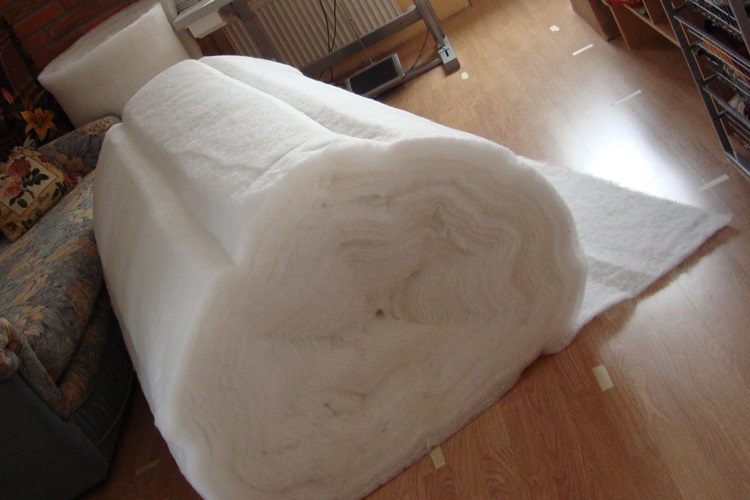
Sixty metres of wadding by the roll, and 500 litre sacks of beanbag granules that will not even fit through the door. The garden house has become a multi purpose building.
We use cookies. Essential cookies keep the site working. With your consent we also use optional cookies for the purposes below. Privacy policy