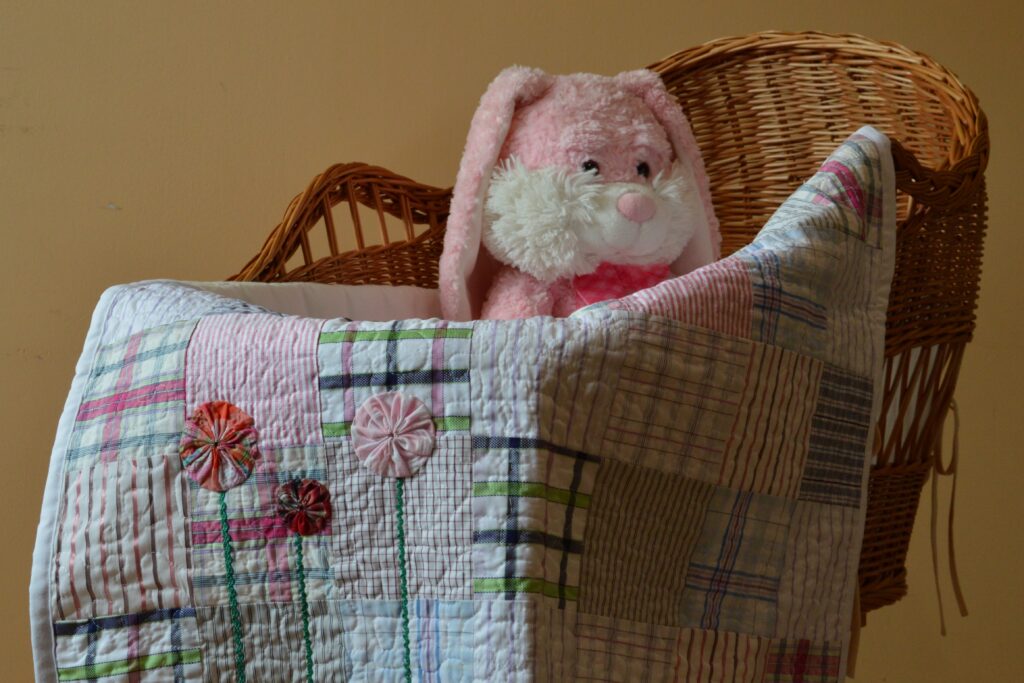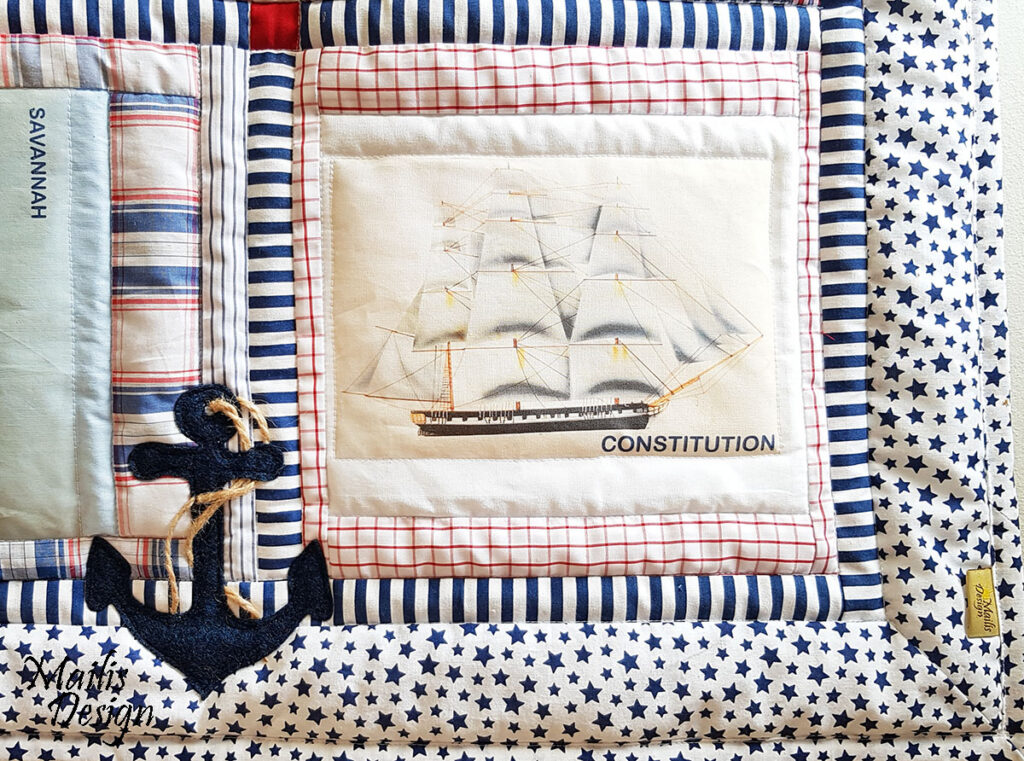
In today's world reuse is coming more and more into fashion, reuse, upcycling, whatever it is called. Which is thoroughly logical and natural, because the more mass production and overconsumption grow, the more important saving and sparing become.
If you have the resources, then why not buy new clothes, shoes, accessories and so on for every season. Looking at today's fast fashion products, the question arises whether these products are meant to be used only until they get dirty. Because the cheapest and "coolest" clothes look as if they were taken off the production line before the finishing stage. Seams unhemmed, edges and necklines fraying, sleeves stretched out of shape, or every piece cut from the fabric in a different direction and therefore crooked and skewed in every way.
All so as to produce ever "faster, higher, further"... that is, more cheaply.
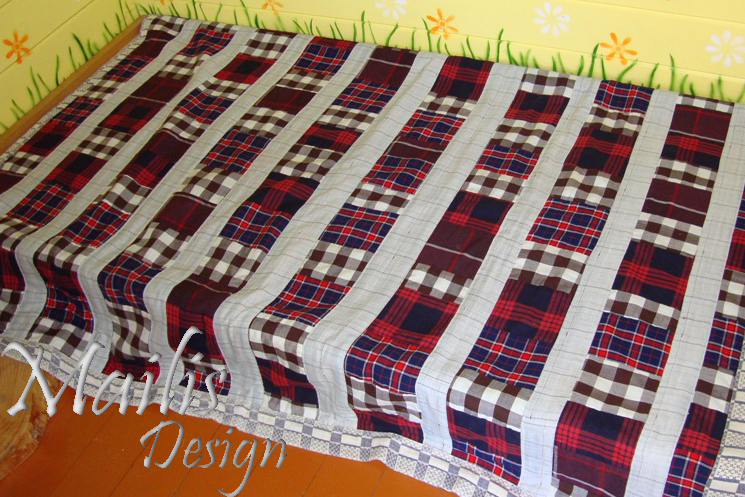
My very first quilt, sewn from old school skirts and a dress I once wore when expecting.
I recently talked about reuse with Teele, the manager of the farm shop, cafe and bakery ROHUJUUR here in my home area. Until now I have not dared to announce out loud that I sew my patchwork mostly on reuse principles, or more precisely on the zero waste principle, that is from production offcuts. From our pleasant conversation, though, I took the courage to talk about it.
Thank you, Teele, for giving me the confidence of knowing that reuse is not a saving but a way of life.
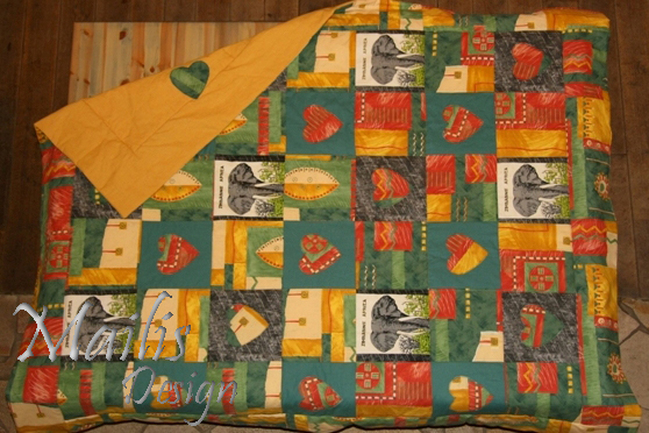
A quilt sewn for a charity auction, from a children's room's curtains and from tablecloths with an elephant brought from Africa.
Sewing a proper and quality quilt is enormously time consuming work. The idea of time includes not only the time it takes to sew the pieces together but obtaining the materials, designing the work, choosing and matching fabrics and colours, cutting the pieces, and once the pattern is sewn, sewing the layers of the quilt together and quilting them through. After that, arranging a photo session for the piece, digitally correcting the photographs and adding the new product's information to the website, packaging, labelling and meeting the client or taking it to the post office.
A fair price for the work should therefore cover, besides the costs, a week's or two weeks' wage and taxes. We do not, after all, live in an affluent society. The largest sum it is possible to ask for such a piece today stays between 200 and 300 euros. That, though, is a process lasting at least a week or two. On the big continent, where patchwork is very popular in home decoration, quilts of the same quality and the same amount of work cost in the order of 2 or 3 times our home prices.
No wonder then that in the case of a two year old company I have not once managed to pay myself a wage. It all goes round again into materials, packaging, transport, product labels, equipment and so on.
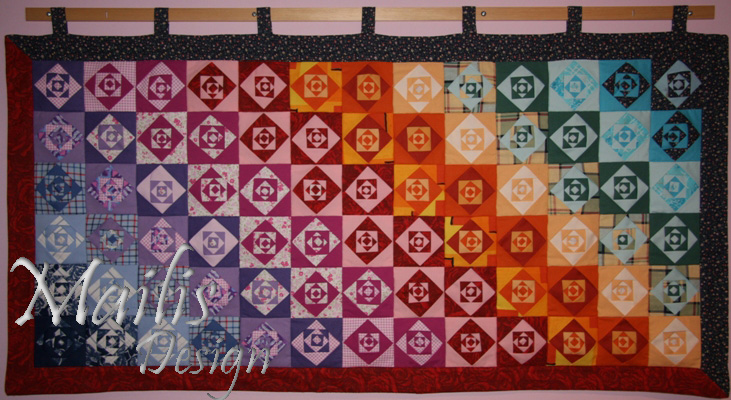
The most labour intensive wall hanging, "Rainbow", whose pattern consists of 1638 pieces and is combined from the tiny leftovers of my own sewing.
If you do not sew yourself, you cannot imagine the real amount of work and the spending it requires. Even I still cannot picture the amount of work. In my mind's eye I make a schedule for the next commission: snip, snap, and the work is done. In reality it takes many times longer every time.
And if I now tell you that a good part of the pattern of many a quilt uses production offcuts, that is packs of randomly shaped and sized pieces of fabric from the cutting table of a larger sewing company, then more than one person will imagine that you can surely make good money that way. The material free in your hands and you simply whirr it together and sell it.
The reality is that cutting pattern pieces from scraps is many times more time consuming than from fabric by the metre. Quick techniques (combining a pattern by the quick method from strips and larger squares) cannot be used. Every last piece has to be cut out of some randomly sized and shaped scrap of fabric.
It would be far simpler to buy toning fabrics, cut long strips with a rotary cutter and sew the patterns together from that by the quick technique.
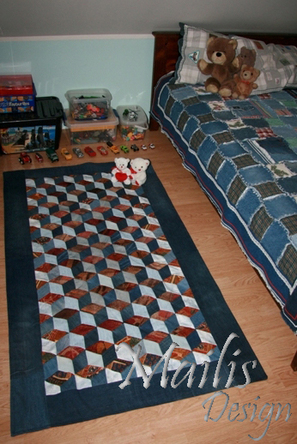
A rug from old jeans
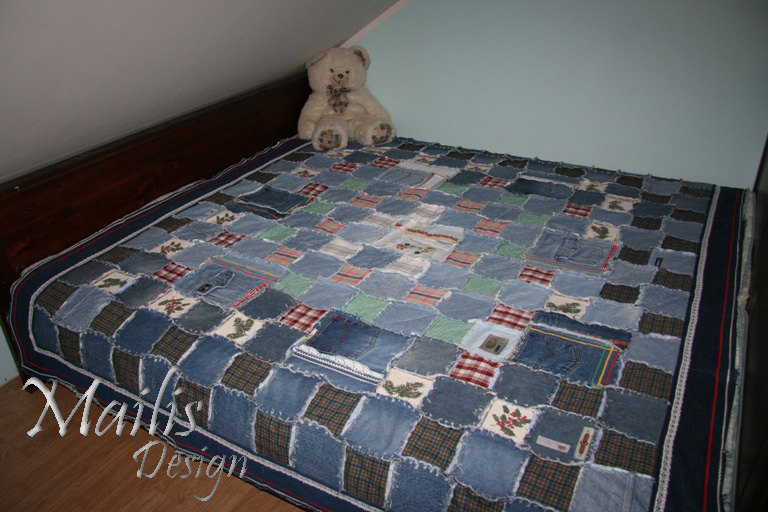
A bedspread from old jeans and flannel shirts
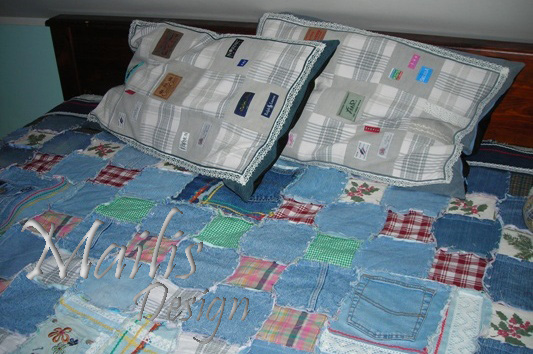
Cushion covers from old jeans and product labels
But as I said before, reuse is a way of life, a principle. For me a boxful of different scraps of fabric is a source of inspiration: a handful of yellow checked fabrics, a handful of pink laces, a handful of black velvet, a handful of fabrics with white spots and so on. And on top of that a pile of upholstery fabrics, curtain voile, fleece and the rest in every possible colour and pattern. The next moment photographs arrive in my email of plain fabrics in rainbow colours and flowered cottons from my favourite supplier, from whom I buy tens of metres to add to the patterns, cotton flannel and towelling for quilt backings, fleece and felt for appliques and so on. That is followed by a tour of the reuse centres of the nearest town, to find all those splendid fabrics and materials.
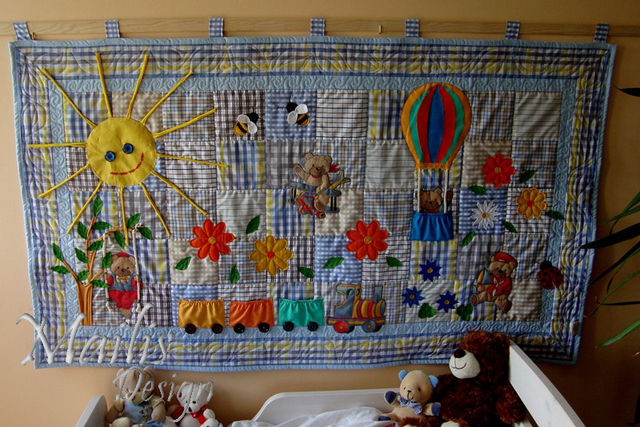
The wall hangings with suns are sewn from production offcuts; the teddy bear appliques are from children's room curtains found at Humana.
So I sit in the middle of that enormous heap of fabric and design my next model: a pencil case for toddlers or teenagers, a linen cosmetics bag for women, an upholstery fabric wash bag for men, drawstring bags for toddlers, for song festival goers or for schoolchildren. My kannel bags today are likewise the fruit of my own work, a model developed over the years.
I could of course make only enormous and striking patchwork pieces, from wall hangings to every possible furniture cover and curtain. But bread has to be got onto the table somehow, and in between you have to put effort into smaller products to put up for sale. Patchwork is not especially popular here and you certainly cannot live on it alone today. And quicker, cheaper quilts have to be made for the shelf, as it were, when orders are scarce.
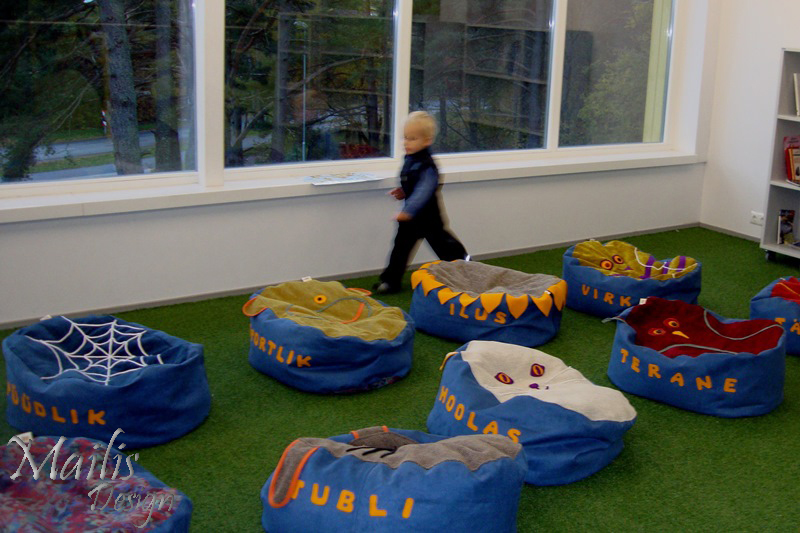
The beanbags sewn for the local school are put together from upholstery fabric offcuts
Above all, I cannot make large quantities of identical things. Even when I use the same pattern for ten or twenty smaller products, the fabrics, colours, patterns and appliques are still different.
I love all my work, and sometimes I feel I cannot bear to sell it. It is all so splendid.
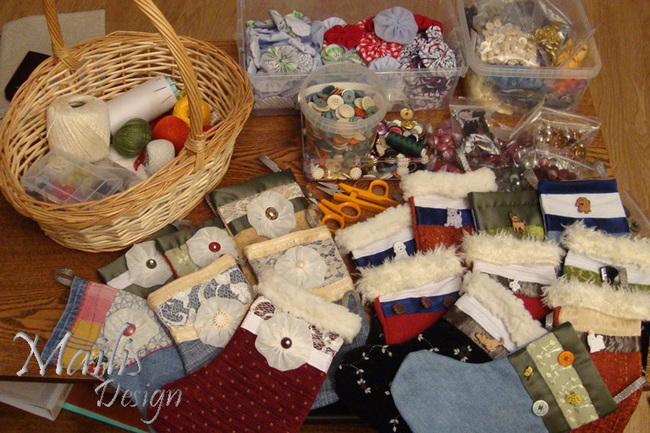
Elf socks from production offcuts and reclaimed materials
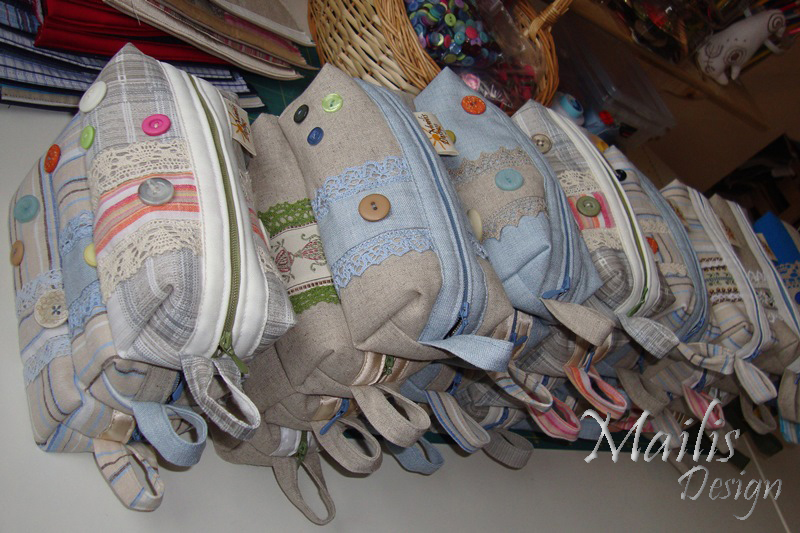
Pencil cases from production offcuts
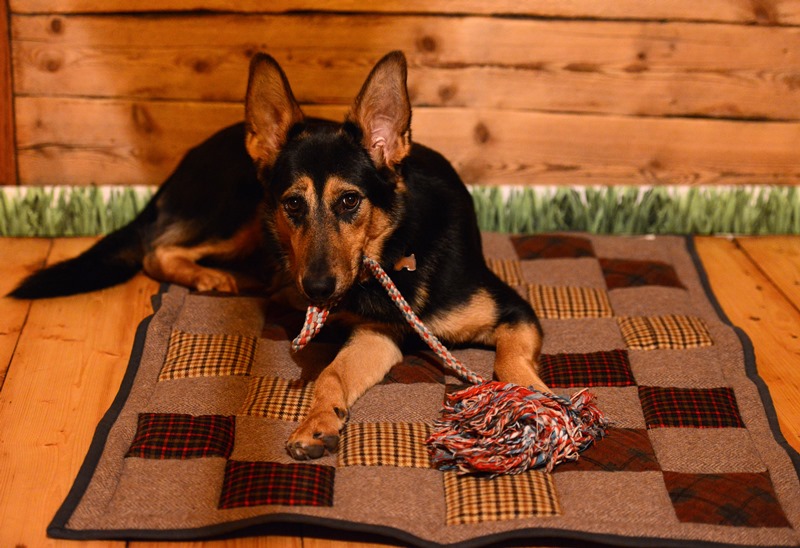
Pet rugs from pure wool coating remnants
Thank you to everyone who values my products.
Thank you to those of you who help me obtain exciting materials, including the manufacturers who have got used to my visits and still receive me gladly and have set aside the "best bits" for me rather than throwing them in the bin 🙂
I hereby declare that I work on reuse and zero waste principles. I greatly value a way of life that spares nature, and everything that is even remotely green. 🙂
Plenty of sunshine to you all.
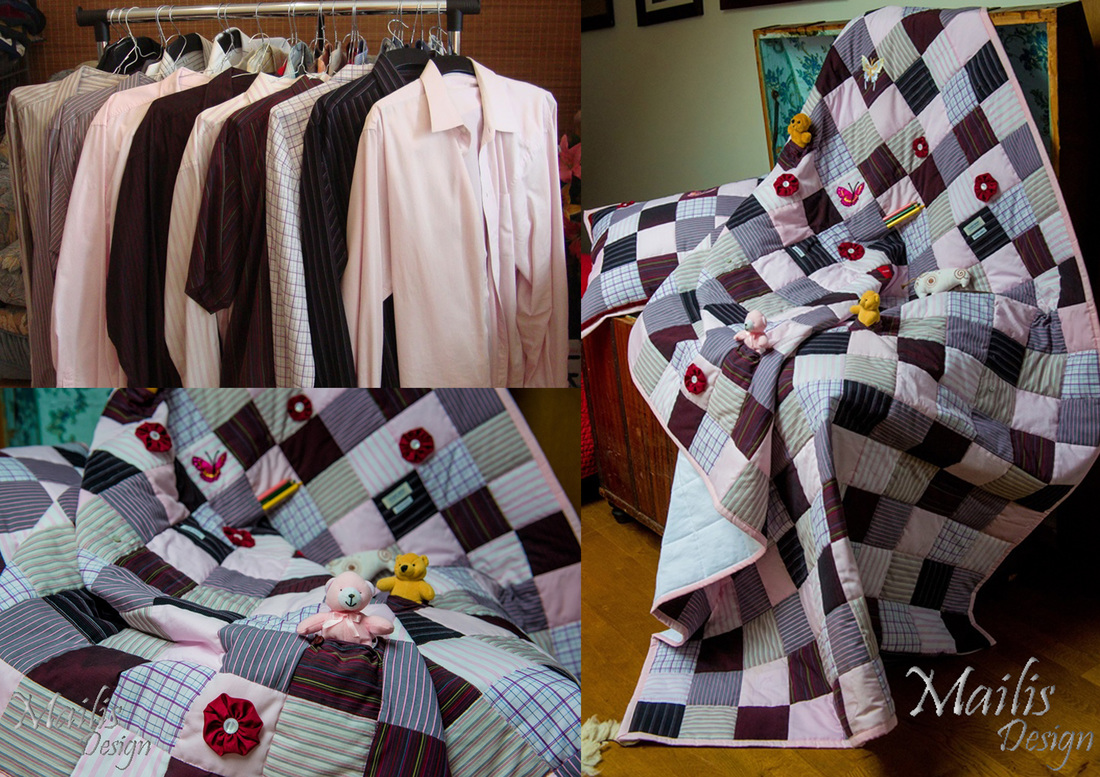
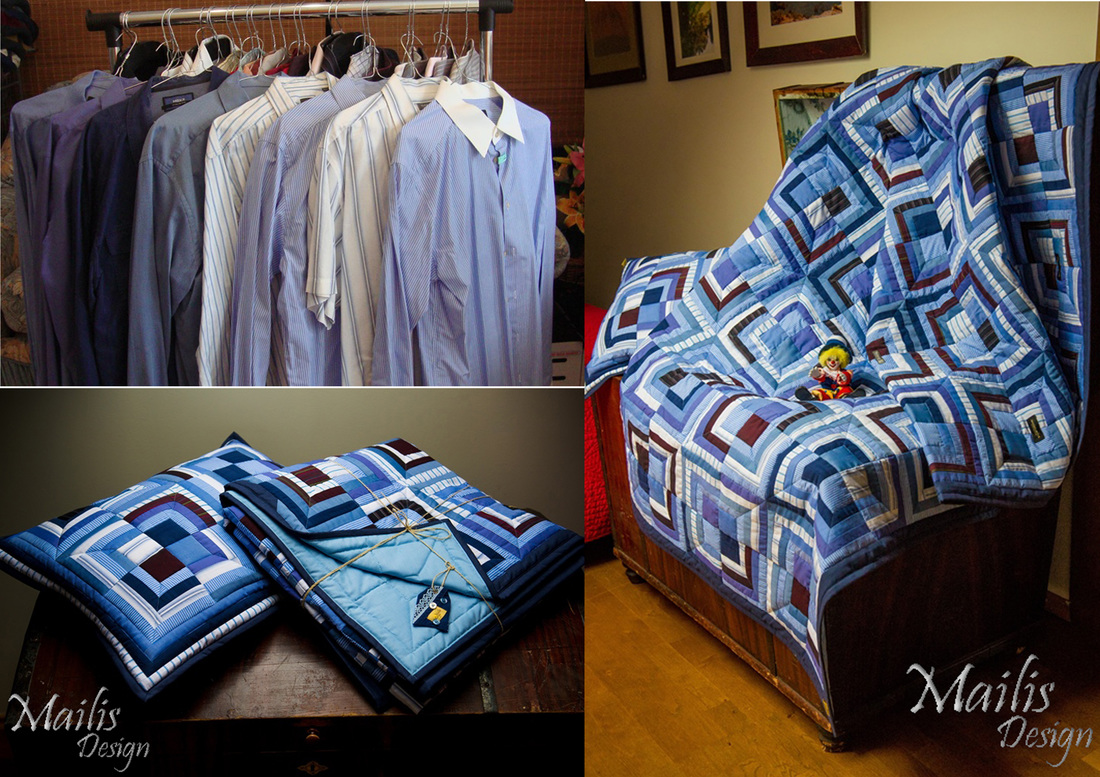
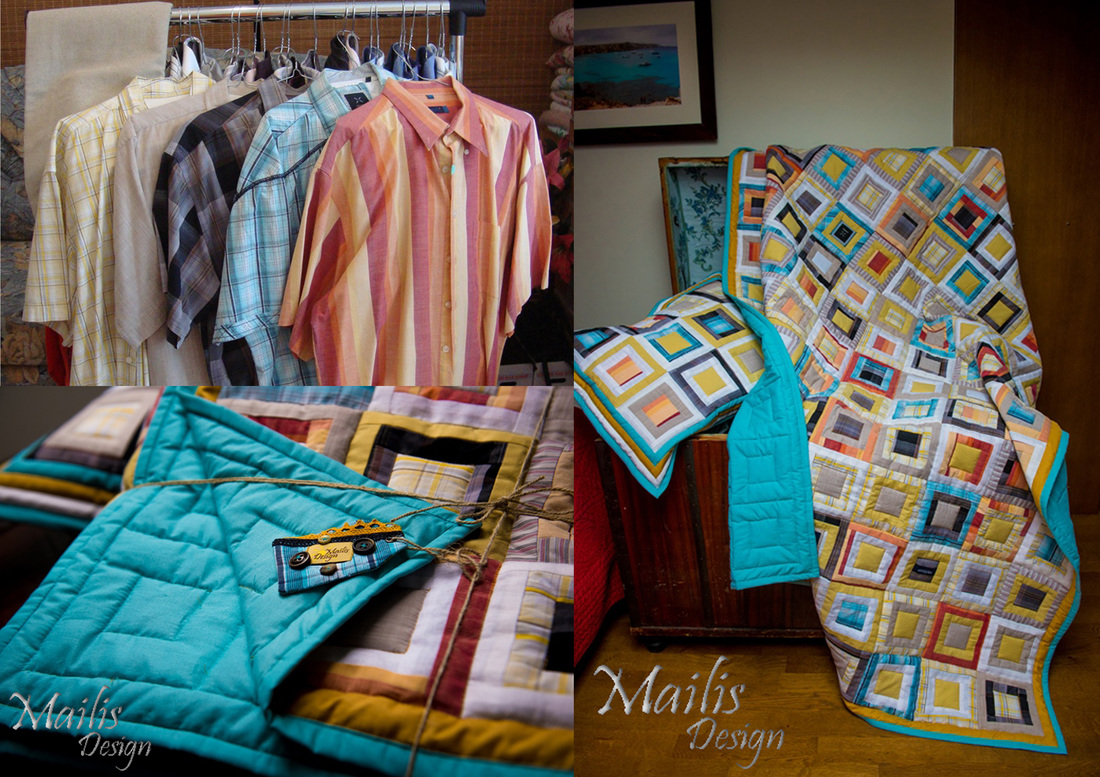
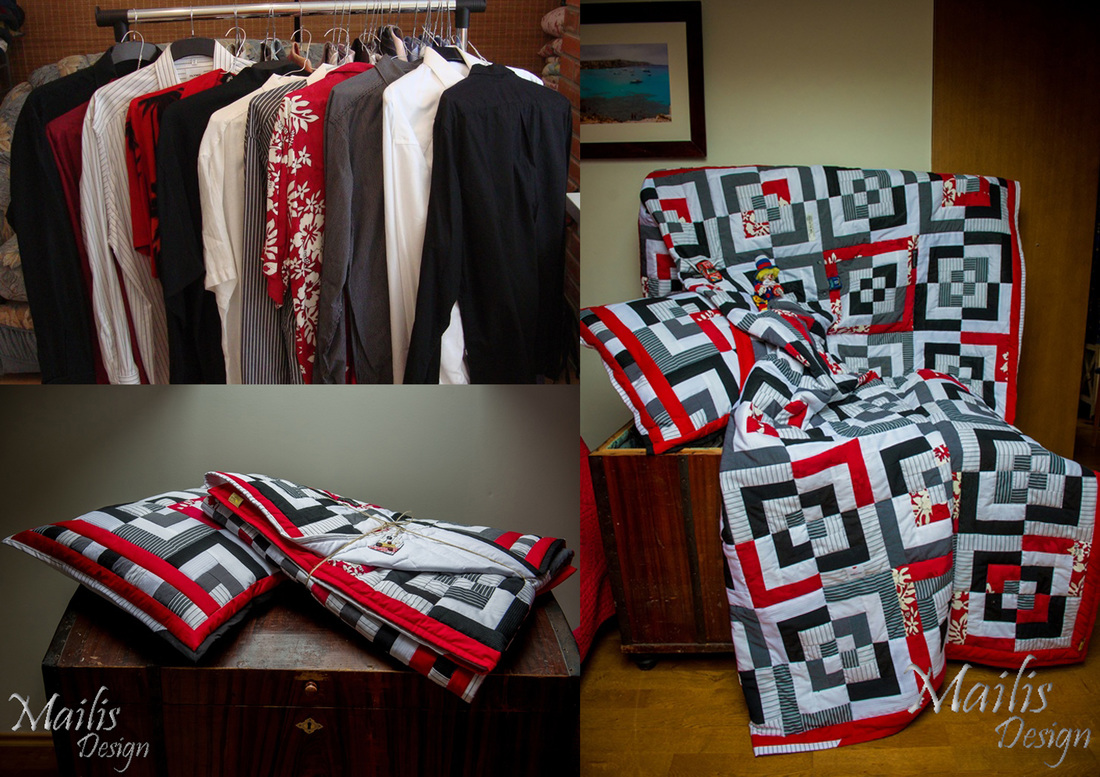
Pictures of reuse quilts made from clients' materials
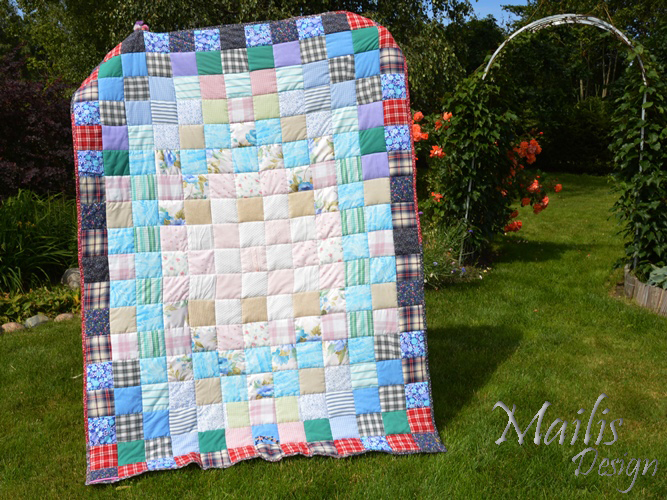
A memory quilt, with blouses, jumpers and even knitted cardigans sewn into it.
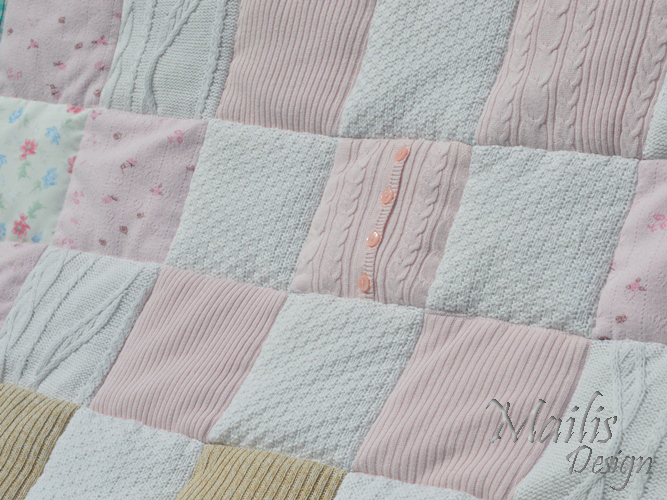
The quilt in the previous picture.