I have gathered here some simple notes on the plants that grow in my home garden.
Sources:
Medicinal plants in the home medicine cabinet, Tatjana Gorbunova
Healing with medicinal plants (making decoctions, salves, tinctures and so on)
Aialeht.ee, culinary and medicinal plants
For a cold: coltsfoot, yarrow, Iceland moss, cowslip and oregano.
For digestive trouble: St John's wort, calendula, rosebay willowherb, chamomile, peppermint, coltsfoot, grey alder, dandelion, lady's mantle and Iceland moss.
For liver complaints: bogbean, St John's wort, silver birch, nettle, dandelion, chamomile and calendula.
For urinary tract complaints: heather, borage, knotgrass, St John's wort, coltsfoot, nasturtium, bearberry and dwarf elder.
Good for the heart: lemon balm, nasturtium, peppermint, valerian and bogbean.
Improving the metabolism: borage, St John's wort, bogbean, nettle and lemon balm.
Calming: heather, St John's wort, bogbean, valerian, oregano, dewberry, lemon balm, dandelion and chamomile.
To help prevent atherosclerosis: red clover, lady's mantle, dandelion, chamomile and bogbean.
Laxative: aloe, valerian, oregano, nettle, lemon balm, borage, chamomile and greater celandine.
Binding: silver birch, knotgrass, St John's wort, Iceland moss, calendula, rosebay willowherb, red clover, raspberry, coltsfoot, peppermint, grey alder, yarrow and horsetail.
Making an infusion
The general rule: let 1 tablespoon of a single plant or a plant mix steep in half a litre of boiling water. You can also let it steep in a thermos, and start taking it after 2 hours, but it is not advisable to leave the infusion in the thermos for longer than 8 hours.
.
You can put together simple plant mixes for yourself using different medicinal plants. All the plants go together and you can take them in equal parts.
If you need to use greater celandine, take only half the amount. In winter you can add a tablespoon of rosehips to any mix, but only if you do not have raised blood clotting.
If you are making a medicinal tea for external use, take a double quantity of the plant mix.
Medicinal plants in my garden.
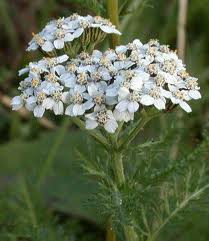
YARROW, Achillea millefolium
The herb and the flowers are used medicinally. The herb is gathered in fine weather while in flower, cutting off the top 15 cm. What is gathered is dried quickly in the air in the shade or in a well ventilated room. In fine weather drying takes 5 to 7 days. It can also be dried in a drier at 40 to 50 degrees. You can also gather the flower heads alone. Store in a glass or wooden container for 2 years.
Yarrow preparations are anti inflammatory and anti allergic, bactericidal, wound healing and styptic. They strengthen contractions of the uterus.
They are taken internally for uterine, intestinal, pulmonary and haemorrhoidal bleeding, and used externally for nosebleeds, bleeding gums and bleeding wounds, for skin complaints, burns, ulcers, boils, tuberculosis of the skin and heavy hair loss. Yarrow relaxes the smooth muscle of the gut and of the urinary and bile ducts, increases the flow of bile, reduces wind, lowers blood pressure, stimulates the appetite and regulates the metabolism and menstruation. Yarrow preparations help prevent kidney stones, increase the flow of milk and promote sweating.
Yarrow is contraindicated (except in mixes) where there is a tendency to thrombosis and in gastritis with excess acid.
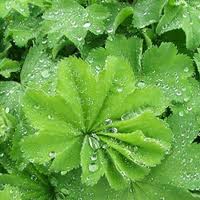
LADY'S MANTLE, Alchemilla vulgaris
The herb is used medicinally. It is gathered in fine weather while in flower. What is gathered is tied into loose bundles and dried under a shelter, in an attic or in a drier at 45 to 60 degrees. Store in a wooden or glass container for up to 2 years.
Estonian folk medicine made much use of lady's mantle, as its many folk names suggest.
Lady's mantle preparations are astringent, anti inflammatory, antiseptic, calming, styptic, diuretic, expectorant and wound healing. They stimulate the working of the stomach, the flow of milk in nursing mothers and the formation of cholesterol. They are taken internally for diarrhoea, dysentery, inflammation of the lungs, small intestine, kidneys and bladder, sluggish intestinal peristalsis, stomach ulcers, discharges of the digestive organs, swellings, upper respiratory complaints, bronchitis, tuberculosis of the lungs, very heavy menstruation, bleeding, anaemia, atherosclerosis and rheumatism. The infusion is drawn up into the nose for acute head colds and nosebleeds. It is recommended as a douche for white discharge, very heavy menstruation and uterine bleeding. A mash of the leaves is applied to wounds, boils and inflamed places.
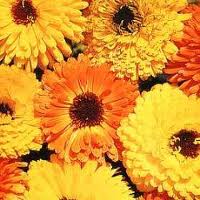
CALENDULA, Calendula officinalis
The flowers are used medicinally and are gathered all summer. Use the flower head without its stalk or with up to 3 cm of stalk, gathered once at least half the florets have opened. Picking can be repeated every 2 to 5 days. The material must be dried at once, spread out in a thin layer in an attic or under a shelter and turned often. In a drier the temperature must not exceed 40 to 45 degrees. Drying can be stopped once the flower head crumbles easily. Store in a tin for 1 year.
Calendula preparations are antimicrobial, anti inflammatory and anti itch, wound healing, astringent, blood cleansing, calming, hypotensive, antispasmodic, bile stimulating, dermatonic and pain relieving.
They are taken internally for gastritis, ulcers of the stomach and duodenum, colitis, enterocolitis, liver and gall bladder complaints, in the early stages of high blood pressure, especially during the menopause, and for heart complaints that cause arrhythmia.
They increase the body's resistance to various extreme influences.
Externally they are used for cuts, festering and poorly healing wounds, burns, seborrhoea, bedsores, fistulas, frostbite, cervical erosion, colpitis, proctitis, paraproctitis, tonsillitis, periodontosis, bleeding gums, thrush in infants and various skin complaints.
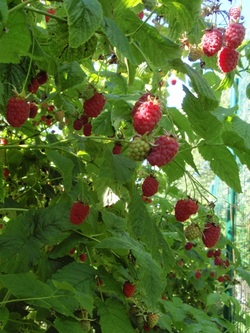
RASPBERRY, Rubus idaeus
The fruit and leaves are used medicinally, sometimes the roots as well. The berries are picked in dry weather; ripe berries come away easily from the receptacle. After a short wilting in the sun they are dried either spread out in a thin layer in the sun or in a drier at 50 to 60 degrees. Berries that have gone black are removed from the dried material. The leaves are dried under a shelter, in an attic or in a drier. The roots are washed clean and dried the same way as the berries. Store in a bag or a wooden container for 2 years.
Raspberry preparations are diuretic, styptic, fever reducing, sweat inducing, astringent, anti sclerotic, wound healing, antibacterial and pain relieving. They lower blood sugar.
These preparations are taken internally for colds, pneumonia, complaints of the digestive organs (where they are accompanied by vomiting, inflammation or bleeding), diarrhoea, anaemia, chronic rheumatism, diabetes, measles, neurasthenia and chronic infectious diseases.
Externally they are used in compresses for eczema, erysipelas and blackheads.
The berries are contraindicated for people with gout and nephritis.
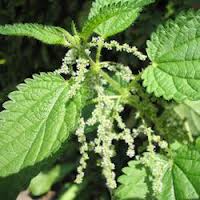
NETTLE, Urtica dioica
The leaves are used medicinally. They are gathered while in flower, stripping the leaves off the stem from the top down with a gloved hand. You can also cut the nettles, let the leaves wilt (a wilted nettle does not sting) and then pick or strip the leaves off the stems. Dry in a thin layer 3 to 4 cm deep under a shelter or in a well ventilated attic. Drying in the sun is not advisable, as the material then loses its natural colour and the vitamins break down. Store in a dry, well ventilated room for 2 years.
In nutritional value the nettle is no poorer than the legumes.
In spring it is worth taking nettle juice. To make it, clean the leaves of anything else, wash them thoroughly under running water, squeeze them dry, scald them with boiling water and put them through a mincer. To the juice obtained add boiling water in a ratio of 1:3 and boil for 3 to 5 minutes. Take 1 tablespoon 3 times a day with meals. The course lasts 2 to 4 weeks.
Nettle preparations are styptic and are used to stop uterine, pulmonary and nasal bleeding. The iron, together with protein, vitamins, chlorophyll and silicic acid, stimulates the body's carbohydrate and protein metabolism, which in turn raises the tone of the heart and blood vessels, the respiratory system and other organs.
Nettle infusion is used to treat almost every long lasting chronic illness that reduces the body's resistance. Nettle also helps with anaemia. It increases the amount of haemoglobin and of red blood cells in the blood. Nettle is also used in treating complaints of the liver, bile, stomach and intestines, and as a supporting remedy in treating tuberculosis of the lungs, bronchitis, malaria, pancreatic complaints and acute and chronic inflammation of the small intestine.
Externally nettle is used for itching skin, thrush, joint pain, dandruff and hair loss.
Keep in mind that nettle increases blood clotting. In thrombophlebitis and varicose veins, and in older age as well, overuse of nettle should be avoided.
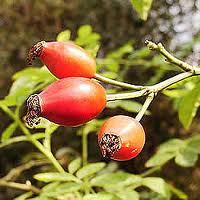
CINNAMON ROSE, Rosa majalis
The fruit is used medicinally, picked fully ripe before the frosts arrive. Frosted hips lose their medicinal properties. Dry them in a drier (or oven) at 90 to 100 degrees; correctly dried material should be reddish brown or yellow. Store in a glass jar or a bag for 2 years.
Rosehip preparations are diuretic and bile stimulating, generally strengthening, anti inflammatory, anti atherosclerotic and styptic; they regulate the oxidation processes in the body, increase the synthesis of hormones, the activity of enzymes and the renewal of tissue. They raise the body's resistance to unfavourable factors in the environment.
Rosehip preparations are taken internally for ulcers of the stomach and duodenum, gynaecological complaints, vitamin deficiency, and to prevent high blood pressure and atherosclerosis, as well as for various acute and chronic illnesses accompanied by a loss of vitamin C, especially in childhood and old age. They are also recommended for pregnant and nursing women. They are used for infectious diseases, anaemia, bone fractures, to raise potency, for sleep disorders, bronchitis, tuberculosis, bladder stones, gastric catarrh, low stomach acid and enzyme deficiency, kidney and bladder complaints and swellings. Rose petals boiled with honey are used to treat erysipelas. An infusion made from roots gathered in autumn is used for inflammation of the bladder, rheumatism and kidney stones. Oil obtained from rosehips is used in compresses for ulcers, wounds, scratches and other skin injuries.
It should be known that taking rosehip for a long time and in large doses thickens the blood, which affects the working of the heart and pancreas.
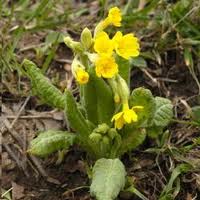
COWSLIP, Primula veris
The rootstock with its roots, the leaves and the flowers are used medicinally.
The leaves and flowers are gathered while in flower. They are dried in the usual way. The rootstock and roots are gathered in autumn, once the plant itself has withered. The rootstock and roots are wilted in the air and dried in a drier at 40 to 50 degrees.
Cowslip preparations are expectorant and calming, and stimulate the flow of urine and sweat. They are used for whooping cough and other upper respiratory complaints, headache and chronic constipation, and as a source of vitamins.
They are taken internally for pneumonia and bronchitis and as a sedative.
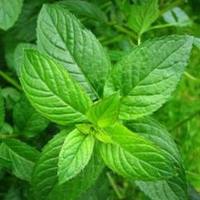
PEPPERMINT, Mentha piperita
Peppermint flowers and leaves are used to season cheese, salads, soups, meat, fish and vegetable dishes. Too much of it makes the food bitter, and peppermint is best added to boiling hot food.
The herb is used medicinally. The tops are gathered as the flower buds form, and dried in the shade, in an attic or under some other roof. Store in a glass or wooden container for 2 years.
Peppermint preparations are calming, pain relieving, bile stimulating, antiseptic and antitoxic. They relax the smooth muscle of the internal organs and increase the flow of bile. All of this is down to menthol, which can reflexively widen the blood vessels of the heart, lungs and brain. Applied locally, menthol narrows the peripheral blood vessels and reduces the sensitivity of the nerve endings (to pain as well).
Peppermint is used for neuroses, insomnia, heightened excitability and angina. It is also recommended for inflammation of the gall bladder and gallstones and for upper respiratory complaints, as well as to improve digestion and against nausea and vomiting. Peppermint water is used as a mouth rinse for inflammation, toothache and bad breath. Peppermint tea helps with excess acid, colitis and both very heavy and scant menstruation. Peppermint oil is used to treat painful haemorrhoids.
A mash of fresh leaves is applied to skin damaged by fungal infection.
Curly mint also grows wild in Estonian gardens; unlike peppermint it is light green, with crinkled leaves and a noticeably different scent. Tea made from curly mint leaves is used to treat colds and also helps with wind. Other mint species growing in Estonia are not used medicinally.
Take care: excessive use of peppermint can bring on pain in the area of the heart.
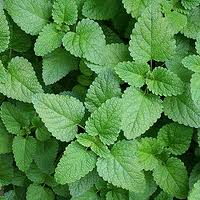
LEMON BALM, Melissa officinalis
The leaves are used medicinally. They are gathered while in flower. After the leaves are picked the plant should be fed. The leaves are dried in a shaded place or in a drier at 35 degrees. Store in a glass or wooden container for 2 years.
Lemon balm preparations are used for palpitations, breathlessness and spasms of the smooth muscle; they lower blood pressure, stimulate the appetite, act against vomiting and bloating, and treat various neuroses and painful or scant menstruation.
They are also used to treat various neuralgias and headache, and as a sedative, an anticonvulsant and a painkiller in over excitability in pregnancy, hysteria, hypochondria, insomnia and vomiting, and for kidney stones (of every type) as well. They also help the stones pass. For gum complaints and toothache the mouth is rinsed with lemon balm infusion. Compresses made with the infusion are applied to joints and muscles for rheumatic pain, and to bruises, ulcers and boils. Tea can be brewed from fresh lemon balm flowers. Cold lemon balm tea is a refreshing drink, while hot it induces sweating. The tea improves the metabolism and helps with dizziness. Lemon balm juice is used to treat allergic dermatitis. Catmint (Nepeta cataria) has a similar effect to lemon balm.
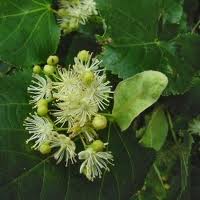
SMALL LEAVED LIME, Tilia cordata
It comes into flower in the last days of June. The flower clusters are gathered together with their leathery bract. Spread the clusters out in a thin layer and dry them in a warm room (+25 to +30 degrees).
Lime flowers are used to induce sweating and reduce fever in colds. They help with flu and respiratory complaints. Lime flower tea has also been used as a diuretic and to ease stomach pain (wind), and results have been had with inflammation of the bladder too. Lime flower tea is calming as well. People with heart complaints are advised not to drink this tea continuously, however, as the compounds in lime flowers encourage potassium to leave the body, which can reduce the heart's performance.
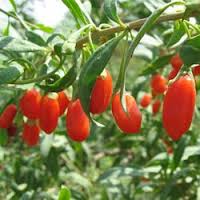
GOJI, Lycium barbarum
Goji has many folk names. In English, for instance, it is called the tea plant. Goji berries and leaves have been added to tea blends. The folk name wolfberry is more widely known. Chinese goji has been used in medicine for 2000 years as a plant that strengthens the yin and promotes long life.
A decoction made from the fruit strengthens the working of the kidneys and protects the liver from the effects of toxins. Taking the decoction was also said to be good for the eyesight. The fruit is used for diabetes, tuberculosis and impotence, and as a general tonic against stress.
The fruit is eaten fresh, baked or dried, and thanks to a faint aniseed flavour is even added to soups. The leaves, whose taste is said to recall peppermint, are eaten fresh in salads or cooked. Dried leaves are used as a substitute for tea and roasted seeds for coffee. In Japan the leaves are added to tea.
In the folk medicine of the western world goji fruit is used to help prevent cancer or to slow that terrible illness. The immune strengthening effect of goji berries is widely praised too. Goji is believed to inhibit microbes, reduce fever, promote the flow of urine, widen the blood vessels, raise the tone, act as a laxative and lower cholesterol in the blood.
Although goji berries have in recent years become a well known food supplement and health food, advertised with phrases such as "no contraindications" and "known to be safe", it is still worth being careful. In earlier times the whole goji plant was even considered poisonous because of its lycine and tropeine content.
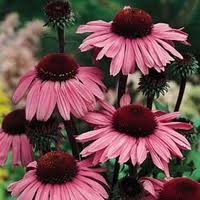
PURPLE CONEFLOWER, Echinacea purpurea
A highly valued medicinal plant. The tincture made from it increases the body's resistance to infection and strengthens the immune system, helping well against viral infections. Coneflower tincture is antiseptic, able to speed the formation of new tissue in wounds and to reduce pain. While flu is going around, it is recommended to take echinacea tincture every day as a precaution. If you do fall ill, the tincture helps to reduce and ease both a head cold and a sore throat. The tincture is used both internally and externally.
Making the tincture.
Pack a glass container tightly with the flowers and pour vodka over them. Close the container tightly and set it on a windowsill in the sun for a couple of weeks. Shake the jar from time to time. Then strain the liquid into a darker bottle and use it like the tincture sold in a pharmacy: for flu and colds take 1 tablespoon of the tincture or stir it into a medicinal tea that has cooled to drinking temperature (lime flower, chamomile, calendula, rosehip or cowslip tea are all good). For a head cold, dilute the tincture 1:1 with boiled cooled water and put drops in the nose. For gargling the throat and rinsing the mouth, dilute it 1:5 with water.